What it is like to live with
The Winwing Orion2 is a serious investment for simmers who want a permanent, expandable cockpit rather than a desk-based setup.
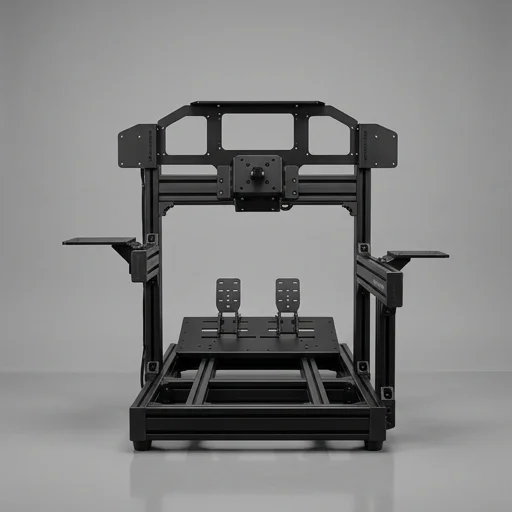
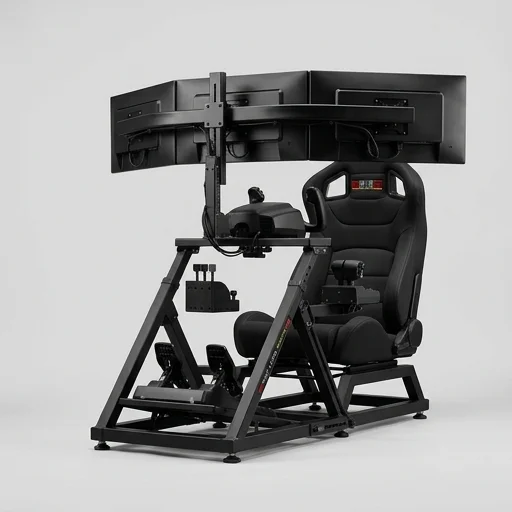
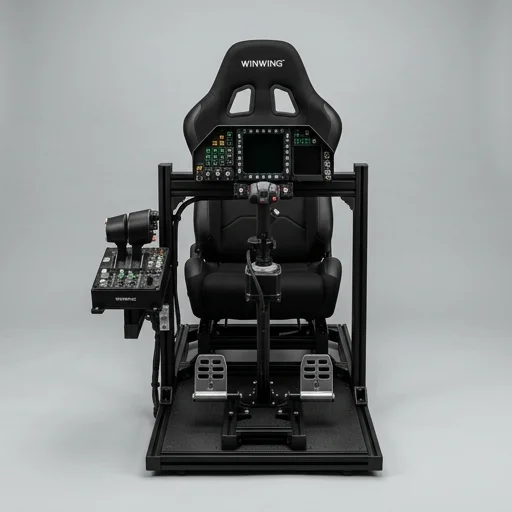
The Winwing Orion2 Flight Simulator Cockpit stands as a serious answer to the growing demand for structurally sound, modular flight sim platforms built for enthusiasts who have outgrown desk-mounted yokes and joysticks. Constructed from heavy-gauge aluminum extrusion in the same vein as professional sim racing rigs, the Orion2 is engineered to handle the weight and torque of Winwing's own force-sensing throttle quadrants, control columns, and MFD panels without flexing or wobbling during intense maneuvers. Its frame uses a slotted rail system similar to industrial automation profiles, allowing pilots to reposition panels, monitor mounts, and pedal stations along multiple axes so that every component lines up with real-world cockpit ergonomics rather than being forced into a generic desk layout.
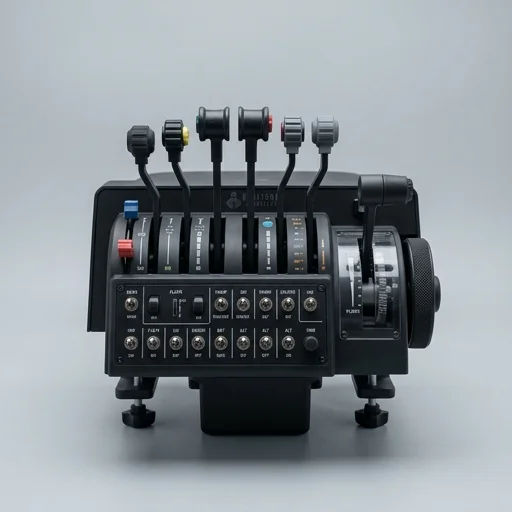
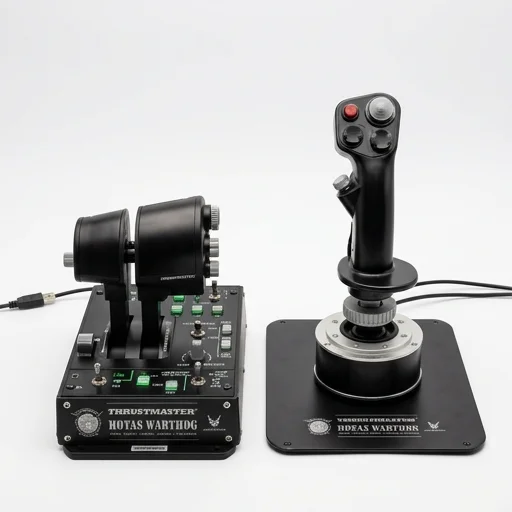
What sets the Orion2 apart within the flight sim cockpit space is its adaptability across aircraft types and simulation platforms, from general aviation setups to military jet configurations. The cockpit frame is designed to integrate seamlessly with Winwing's growing ecosystem of Hall-effect sensor throttles, FCU panels, and side-stick or center-stick control loading units, meaning owners can start with a base shell and expand the rig over time as new hardware modules become available. Cable routing channels built into the extrusion keep the dense wiring harnesses required by multi-axis throttles and illuminated panels tucked away, which keeps the final build looking closer to a certified training device than a hobbyist desk rig, even though it remains fully accessible for home users.
Seating position adjustability is another area where the Orion2 distinguishes itself from flat-pack or desk-based flight sim solutions, offering height and distance adjustments that accommodate different monitor arrangements, including triple-monitor bezel-free setups or ultrawide curved displays paired with VR headsets. The rig's footprint is designed with stability in mind, using a wide base stance that counteracts the pulling and pushing forces generated by force-feedback yokes without requiring the structure to be bolted to the floor. For simulator builders who have already invested in Winwing's throttle and panel lineup, the Orion2 effectively becomes the backbone that unifies those individual peripherals into a single, repeatable cockpit geometry, making it a practical long-term foundation rather than a one-off accessory stand.